


What if I told you the “just spend on ads and go viral” mindset is quietly killing great apps?
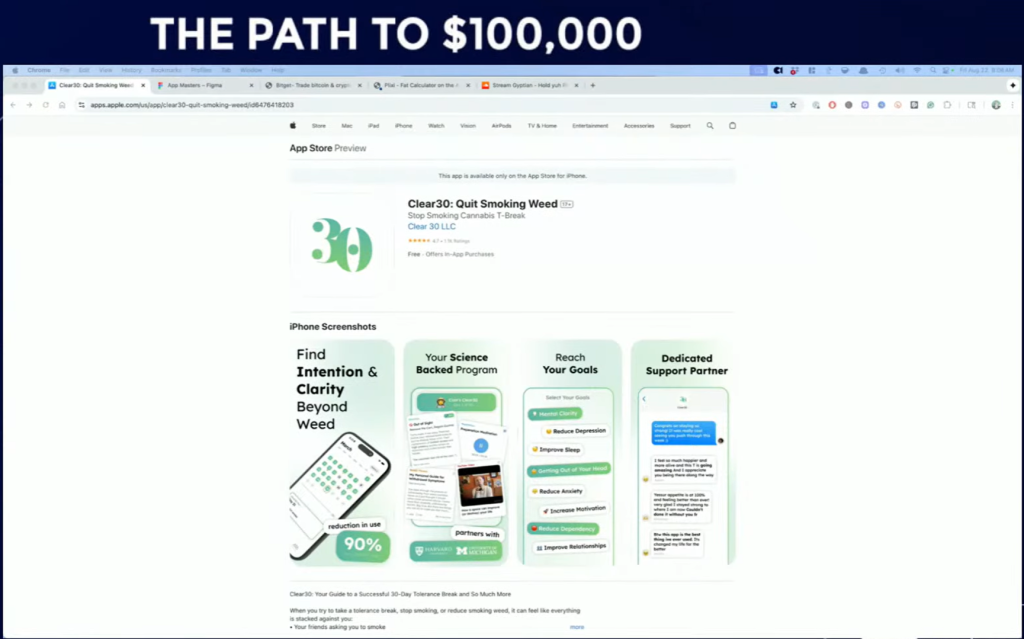
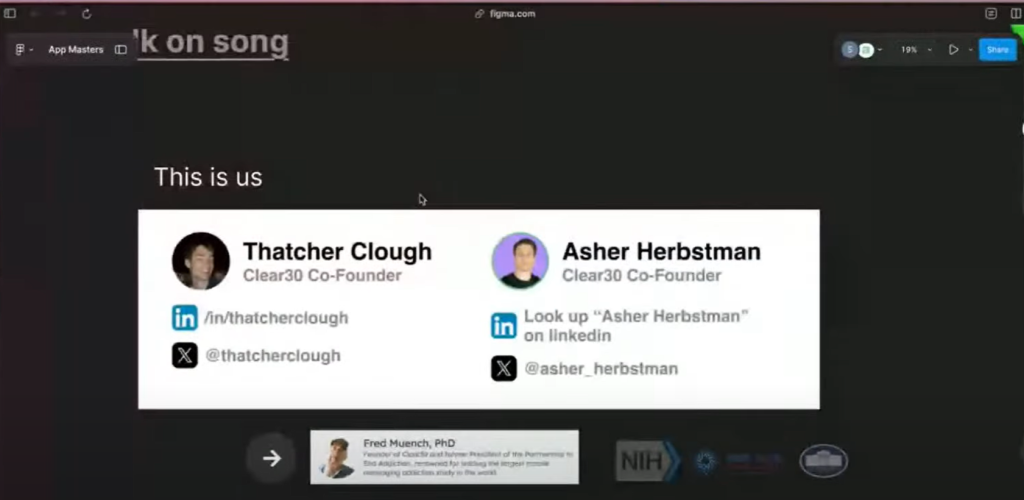
I sat down with Asher and Thatcher – the founders of Clear 30, a science-backed app that helps people take a 30-day break from weed and their journey is a textbook case of what flopped with paid ads and how they turned early losses into a six-figure ARR success.
Watch the full conversation for every detail here.
They went from building features nobody asked for and burning cash on TikTok and Meta… to 15× impressions, 4× leads, 6× revenue, and swinging from losing money on ad spend to earning a positive return.
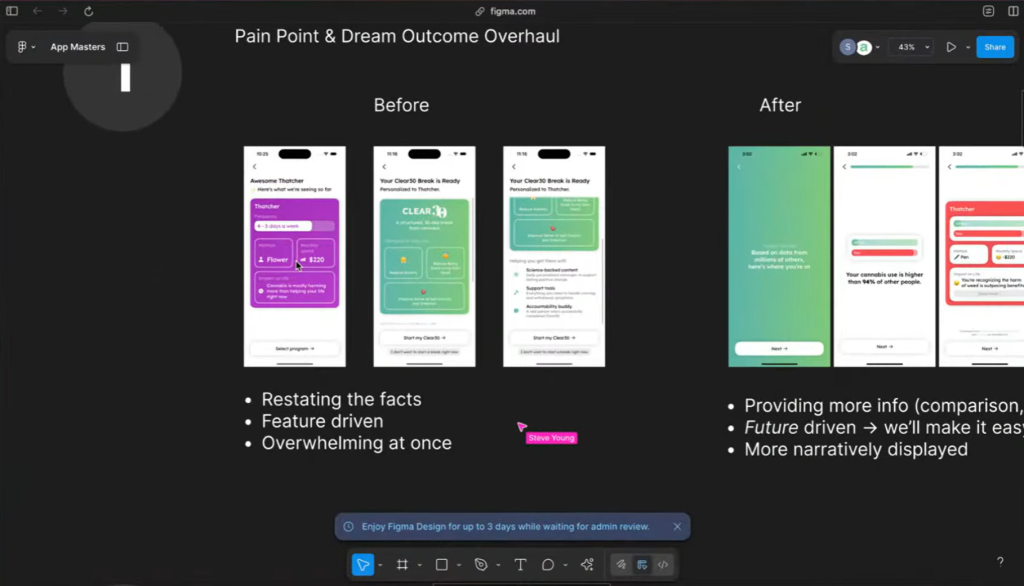
Here’s the punchline: they didn’t “hack the algorithm.” They rebuilt their product’s first five minutes, rewrote their paywall, and built ads that show the app and feel like real people talking to real people.
What you’ll learn here
- The critical mistakes that made their paid ads flop
- The three onboarding changes that turned losses into profits (including a paywall rewrite that lifted CVR ~50%)
- A creative ops system for TikTok/Meta that favors authenticity over expensive production
- The data loops (and scrappy tactics) that keep learning compounding
Old Way vs New Way
Old way: Build a lot of features, hope people “get it,” throw money at TikTok/Meta, and pray something goes viral. If it doesn’t, ship more features.
New way: Prove value before scaling ads. Lead with the user’s pain and dream outcome, be radically transparent about the trial and price, and tell a believable day-by-day story of what they’ll feel and achieve. Use ads to amplify a validated product, not to rescue an untested one.
The Core Idea: Fix the Funnel Before You Fund It
People don’t pay for features; they pay for a future version of themselves.
Clear 30’s breakthrough came when they stopped listing features and started narrating a transformation:
- Where you are now (pain, patterns, costs)
- Where you want to be (dream outcome)
- Why it’s likely you’ll get there (proof, program design, social proof)
- How soon you’ll feel it (credible timeline)
- What it costs – anchored to something meaningful, they already spend on
When that narrative shows up consistently in onboarding, the paywall, and the ads, conversion climbs and refunds fall. It’s not magic. It’s clarity – and it’s exactly what their early paid ads lacked.
Proof (and what changed)
From their interview:
- Onboarding focus: They rebuilt the first five minutes as a guided, conversational flow – less “spit back your quiz answers,” more “here’s what this means and how we’ll help.”
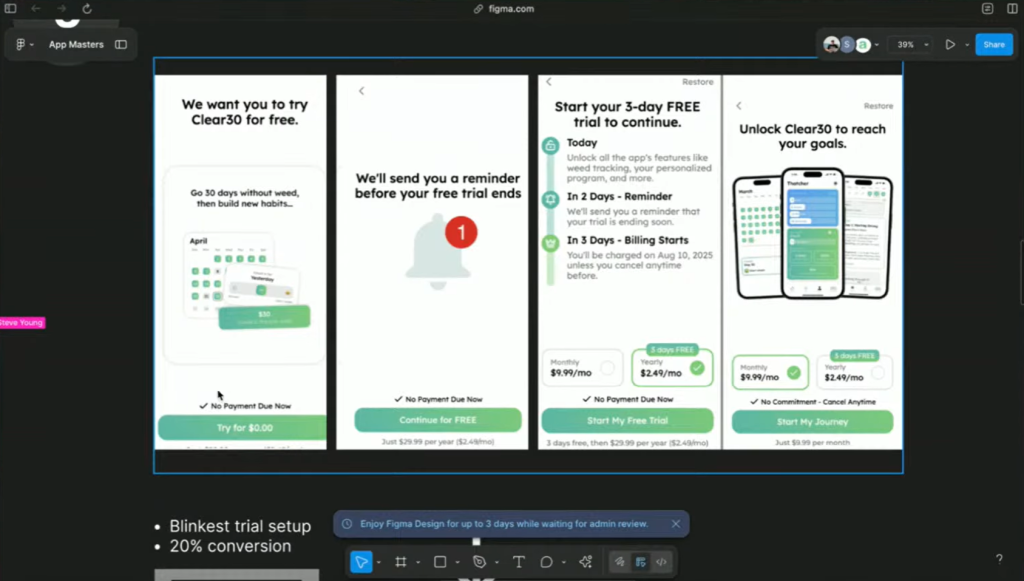
- Fair-trial transparency: A simple “heads up, this is a paid app” screen tied to the user’s goals, anchored to a familiar cost (e.g., “about two pre-rolls”), and a free try. Fewer negative reviews and a bump in conversion.
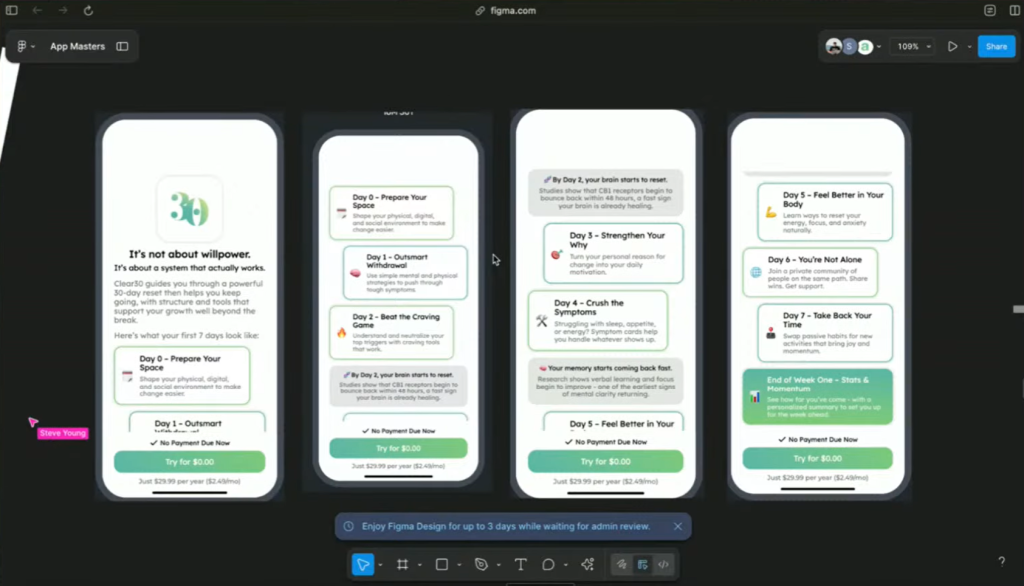
- Paywall rewrite: Swapped a generic “$0 today” trial screen for a long, scrollable, day-by-day program story (“here’s what day 1–7 feels like”). Result: ~20% → ~30% paywall conversion a ~50% lift that changed the business.
- Scrappy research loops: If someone tries to delete the app, they offer a comped sub in exchange for feedback. Learning from people who didn’t convert turned into fuel for the next iteration.
- Ads with a pulse: Organic first, then put spend behind winners. Skits can work—but direct-to-camera honesty + showing the app works better. Stitch already-viral clips, speak to specific user “types,” and build a B-roll library with friends and family.
- Attribution that’s “good enough”: Use an MMP to wire up channels, but correlate revenue in Amplitude and ask “Where did you come from?” in onboarding. Move budget based on trial cost vs. LTV, not vibes.
These changes flipped their ad economics from negative to positive.
The Playbook: Learn from What Flopped with Paid Ads
- Script the first five minutes before you spend another dollar
Write onboarding like a sales call: pain → dream outcome → believable path.
Compare the user to peers and guide them; don’t dump features. - Add a fair-trial “heads up,” before you scale traffic
One transparent screen: “This is a paid app with a free try.”
Anchor the price to something the user already understands (and wants less of). - Tell a day-by-day story on the paywall, before you obsess over pricing grids
Replace “features carousel” with a timeline of outcomes: what users notice in days 1–7.
Be specific and realistic. Conversion loves believable timelines. - Build a feedback-for-value loop, before you double your ad budget
When someone goes to churn, intercept with: “We’ll comp you for honest feedback.”
Turn this cohort into your best insight engine. - Record organic videos daily, before you launch new ad sets
Talk straight to the camera about a real moment. Show the app on screen.
Test 3–4 formats: stitch a viral clip and respond; mini-skit that still shows the app; a raw “type” call-out.
Momentum beats polish. - Go specific with hooks, before you go broad
Swap “Do you smoke?” for a vivid scene: “It’s 3 a.m., your charger’s frayed, you crack a Red Bull, and hit your cart five times…”
Niche “type” content pulls the right people faster. - Measure “trial cost → paid rate → payback,” before you celebrate CPMs
Track trial start cost, trial→paid %, ARPPU by SKU, and cash payback window.
Adjust creative and budget based on this trio—not on views or likes. - Test a one-time offer (OTO), before you redesign pricing
If a user initiates purchase then backs out, show a one-time incentive to complete.
Small tweaks here can swing revenue. - Consider a hard paywall first, before going freemium
A hard paywall forces clarity and funds iteration.
Later, layer in durable free value once unit economics work.
Copy to 80/20, before you “innovate”
Tear down top apps’ onboarding flows. Experience them, don’t just view screenshots.
Re-create the principles in your brand and niche; test from there.
The Numbers That Matter
- First-five-minutes engagement: Tap-through rate and time on your onboarding “story” screens.
- Paywall view → start trial: That opening paywall story should lift this immediately.
- Trial → paid: If your day-by-day promise matches reality, this improves.
- Negative-review rate: The fair-trial “heads up” reduces “you tricked me” complaints.
- Trial cost & payback: You don’t need day-1 ROAS. You need a believable path to payback inside your cash window.
Ignore vanity reach. Track believable change.
Common Traps (and how to dodge them)
- “We’ll add more features.” Don’t. Script the five-minute story first.
- “Let’s be vague so people don’t bounce.” The opposite: be clear about being paid, what happens next, and how fast change happens.
- “Skits are fun, let’s do skits.” Only if they show the app and speak to a specific type. Better yet, talk straight and be human.
- “We’ll figure onboarding later.” Later is when you’re broke. Do it now.
- “Freemium will grow us.” Maybe, after unit economics work. Until then, focus the experience and fund learning.
Putting It All Together
Clear 30 didn’t win by getting lucky on TikTok. They learned – painfully – what flopped with paid ads, fixed their onboarding and paywall, and only then let ads scale their growth to $100K ARR.
If you’re spending on ads without a tested first five minutes, learn from their missteps – before you pay for the same lesson.
Send your onboarding flow and paywall screenshots, and I’ll reply with three A/B tests you can run this week free.
Want a deeper guidance or you want us to walk you through the entire process.
Book a call at App Masters.
Also Read
